Approximately 16 percent of the world population, or 1.3 billion people, have disabilities. Although attention to their healthcare-related needs and expectations has been increasing, inequities remain stubbornly persistent, and their right to the highest attainable standard of healthcare is far from being realized and reached. All-cause mortality among People with Disabilities is 2.24 times higher than that of people without disabilities. There is a 13.8-year gap in life expectancy between the two groups. In almost all parts of the world, People with Disabilities are regarded as a vulnerable population, their needs and rights, including healthcare rights, are still frequently overlooked. To promote health equity and rights, the needs and legitimate expectations of people with disabilities must be appropriately responded to within health systems and healthcare services.
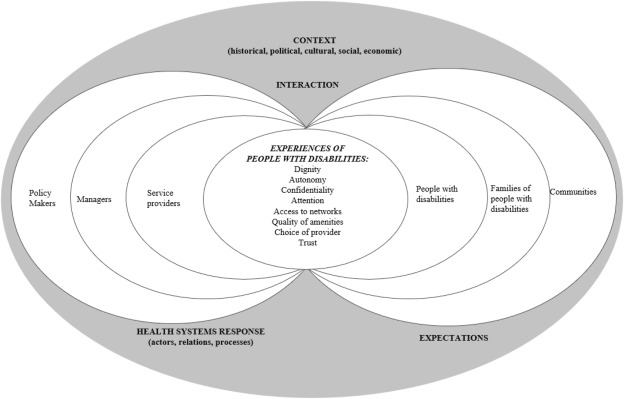
The WHO in the year 2000 noted that “where health and responsiveness are concerned, achieving a high average level is not good enough: the goals of a health system must also include reducing inequalities, in ways that improve the situation of the worst-off”. Ensuring health systems responsiveness is crucial for health equity and outcomes of all individuals, particularly disadvantaged groups such as people with disabilities. However, attention to and discussions on health system responsiveness for people with disabilities remains lacking. This viewpoint highlights the pervasive issues within health systems rooted in ableism and proposes an agenda to tackle ableism, aiming to make health systems responsive to the needs of people with disabilities. Their needs are complex and diverse, varying with the disability, its severity, progression, and intersection with other factors. Ableism creates significant obstacles to identifying and addressing their needs and expectations, damages provider-patient interactions, poses multiple challenges in healthcare, and impacts the overall responsiveness of the health system to the populations it is meant to serve.
Source – The Lancet